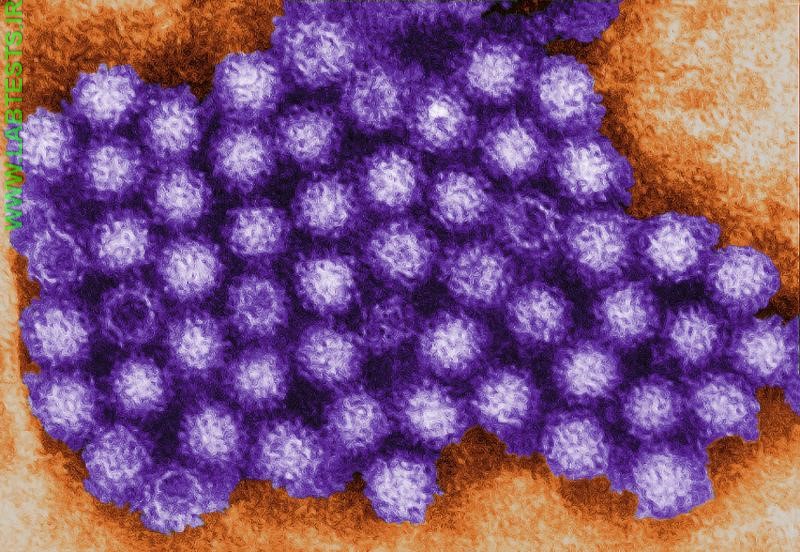
Norovirus is a virus that causes an infection of the digestive tract. The infection usually causes gastroenteritis, irritation of the stomach and intestines, and is sometimes thought of as a "stomach bug" or, incorrectly, as "stomach flu." The most common signs and symptoms include the sudden onset of stomach pain, nausea, vomiting, and diarrhea.
Norovirus is highly contagious and is typically spread through ingestion of contaminated food or liquids, close contact with infected individuals, or by touching contaminated surfaces. People can be contagious and spread the illness for much longer than they are sick because norovirus is present in stool even before they develop signs and symptoms and can stay in stool for at least two weeks after they feel better.
The Centers for Disease Control and Prevention (CDC) estimates that norovirus sickens 20 million people in the U.S. each year. It is the most common cause of food poisoning in the United States. It is also the most common cause of acute diarrhea in healthy adults.
Norovirus can spread rapidly and cause outbreaks in places such as daycare centers, college dorms, nursing homes, cruise ships, schools, and other places where food is served and people are in close quarters. Individuals living or staying in these settings are at higher risk for catching norovirus. Eating or drinking at a place where food and liquid handling is unsanitary is also a common cause of norovirus infection.
Anyone can be infected with norovirus, and most people recover in a few days. However, young children, the elderly, and people with underlying conditions or weakened immune systems can develop severe signs and symptoms and serious complications such as dehydration and, without treatment, possibly death. Once infected with norovirus, you do not become immune and can be infected multiple times in a lifetime.